
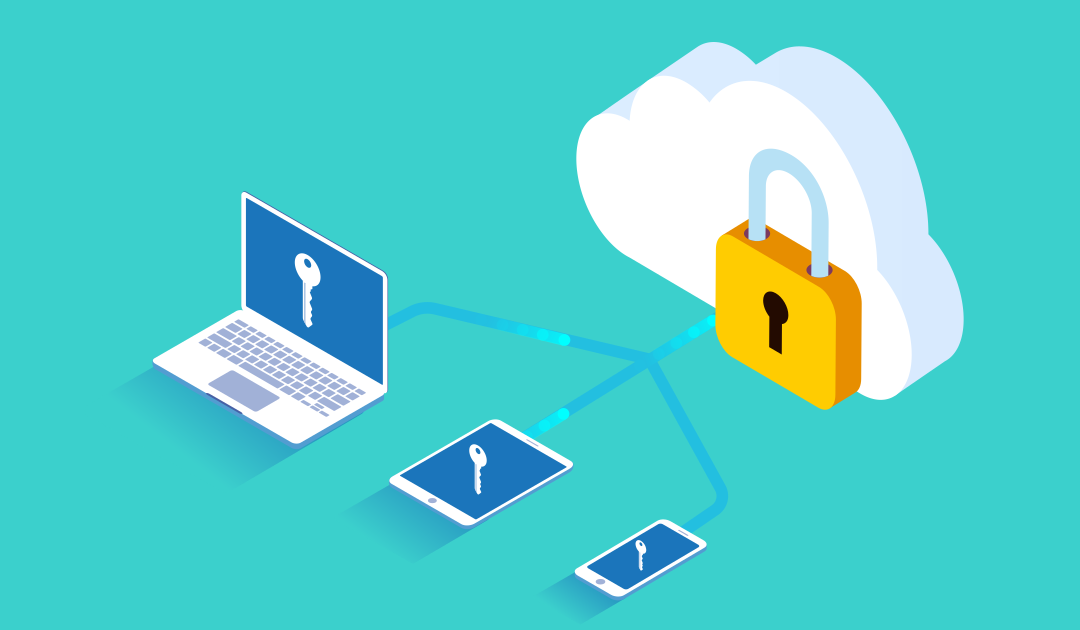
The popularity of the cloud has encouraged SaaS security to become a major topic in recent years. More and more businesses are moving their operations to the cloud, and with that comes a need for increased security. SaaS security has become an essential component of your company’s infrastructure. It’s important to know who provides SaaS security for your organization and what factors you should consider when choosing a provider.
In this blog post, we’ll go through everything you need to know about SaaS security providers. We’ll begin by addressing what SaaS security is and then move on to discuss why it is important, who is responsible for security in a SaaS environment, and how to choose the right provider. We will also talk about the common risks associated with using SaaS applications and the best practices adopted by leading providers.
What Is SaaS Security?
SaaS security refers to the measures taken to protect SaaS applications from cyber threats. It includes both the security of the application itself and the data that is stored within it. When we talk about SaaS security, there are two main areas that need to be considered:
- The security of the application itself: This includes ensuring that only authorized users can access the application and that all data is encrypted.
- The security of the data: This includes ensuring that the data is properly backed up and protected from unauthorized access.
Why Is SaaS Security Important?
There are a number of reasons why SaaS security is important for businesses. First and foremost, it’s important to protect your data from cyber-attacks. Data breaches can be costly, and they can damage your company’s reputation. In addition, SaaS applications often contain sensitive customer data that needs to be protected. Finally, SaaS security is essential for ensuring the availability of your applications. Downtime can be costly for businesses, so it’s important to have a robust security plan in place.
Who Is Responsible for Security in SaaS?
The short answer is that both the customer and the service provider are responsible for security in a SaaS environment. Customers are responsible for keeping their data safe and backed up. They also need to have a clear understanding of who has access to their data and what permissions they have. The service provider is in charge of ensuring that the software is secure and that all data is properly protected. They also need to have a robust plan in place for responding to security incidents.
Who Are SaaS Security Providers?
SaaS security providers are those companies who offer specialized security solutions to protect your SaaS applications. Considering the increasing number of cyber threats and data breaches, it has become imperative for businesses to secure their SaaS applications with the help of specialized security providers.
How to Choose the Right SaaS Security Provider
There are a number of factors you should consider when choosing a SaaS security companies. Initially, your specific needs must be determined and mentioned. What type of data do you need to protect? What level of security do you require? Once you have a clear understanding of your needs, you can start looking at different providers and comparing their offerings. Here are a few things to think about:
- The provider’s reputation: Do they have a good track record? Are they well-known in the industry?
- The provider’s security solutions: What type of security solutions do they offer? Do they have prior experience dealing with your individual requirements?
- The provider’s customer service: How responsive are they to customer inquiries? Do they have a good customer service reputation?
Common SaaS Security Risks
There are a number of common risks associated with using SaaS applications. These include:
- Data breaches: This is one of the most common risks associated with SaaS applications. Data breaches can occur when unauthorized users gain access to the application or when data is improperly secured.
- Downtime: Downtime can happen for a variety of reasons, such as technical difficulties and cyber assaults. It is costly to firms, therefore it’s critical to have a strategy in place for coping with it.
- Malware: Malware is a malicious program that may infect SaaS applications and cause damage. It might be tough to detect and remove, therefore it’s critical to have a strong security strategy in place.
Best Practices for SaaS Security
There are a number of best practices that SaaS security providers should follow. These include:
- Encrypting data: At the very least, you should encrypt data at rest and in transit. This will prevent others from viewing it.
- Implementing two-factor authentication: Two-factor authentication adds an extra level of protection by demanding that users use a second factor, such as a code, in addition to their password.
- Monitoring activity: SaaS providers should monitor user activity and look for unusual or suspicious behavior. This can help to identify potential security threats.
- Continuous Scanning: It is important to carry out regular vulnerability scans and occasional penetration tests to ensure that there aren’t any exploitable vulnerabilities within the security system. Automated tools like Astra’s Pentest or Burp Suite can help ensure this.
- Responding to incidents: It’s critical to have a strategy in place for dealing with security issues. This includes having a team in place that can quickly address the issue.
Best SaaS Security Providers And Their Details?
There are a number of SaaS security providers available. Some of the most popular include:
- Cloudflare: Cloudflare, a major supplier of SaaS security solutions, is one example. They offer a variety of features, including DDoS protection, SSL/TLS encryption, and two-factor authentication.
- Zscaler: Zscaler is another SaaS security provider worth mentioning. They offer a variety of features, including web filtering, malware protection, and data loss prevention.
- Symantec: Symantec is a well-known provider of security solutions. They offer a variety of features for SaaS applications, including data encryption and intrusion detection.
Conclusion
Businesses of all sizes must consider SaaS security. By understanding the risks and implementing best practices, you can help to protect your data and keep your applications available. Choose a SaaS security provider that has a good reputation and offers the solutions you need. And be sure to stay up-to-date on the latest security threats so you can be prepared if an incident does occur.



