Matthew Lilley has been nominated by the SushiSwap community to fill the empty CTO post, which must be validated by a governance vote.
Should DAOs have c-suits?
Lilley appears to have the full backing of the SushiSwap community, which has praised his professionalism. Only a few critical views can be found in the forum post debating the proposal, largely focusing around the topic of whether having a c-suit fits with the idea of a DAO. Furthermore, there are still unanswered questions regarding SushiSwap’s recent leadership shift.
If confirmed, Lilley will take over as interim CTO of the decentralized exchange from Joseph Delong. Delong left SushiSwap after being refused a pay raise and increased autonomy. Previously, multiple significant claims were leveled against Delong, labeling him “hostile to the community,” prompting the community to call for Delong’s resignation.
New CEO on the way?
The snapshot vote seeks to appoint Matthew Lilley as Chief Technology Officer for a six-month term. At the time of writing, 22 SUSHI holders have voted unanimously in favor.
Another proposal now being debated seeks to appoint a CEO for a 6-month term. Most community members appear to support 0xMaki, who formerly led the decentralized exchange until being deposed by Delong and several other devs. Maki has not yet commented on this, but she has stated her support for Lilley on the SushiSwap forum.
In 2021, investors’ thirst for cryptocurrencies will skyrocket. Cryptocurrency exchanges, both controlled and decentralized, serve as marketplaces for traders to purchase and sell coins. However, the demand for exchanges that avoid CEX’s constraints and regulations has resulted in the development of other DEXs based on existing protocols.
Crypto traders have changing needs that exchanges must meet to keep their business. They make the decisions, and exchanges can only foresee and design systems to match their demands.
The volatile appetite of cryptocurrency investors provides an opportunity for blockchain developers to investigate innovative solutions that attract customers and meet their desires. More crypto traders now want KYC abolished, but CEXs cannot do so due to a number of regulatory rules. New DEXs are now constructed on top of existing non-KYC protocols to traverse the KYC issues. One of these new DEXs is DefiSpot.
What exactly is DefiSpot?
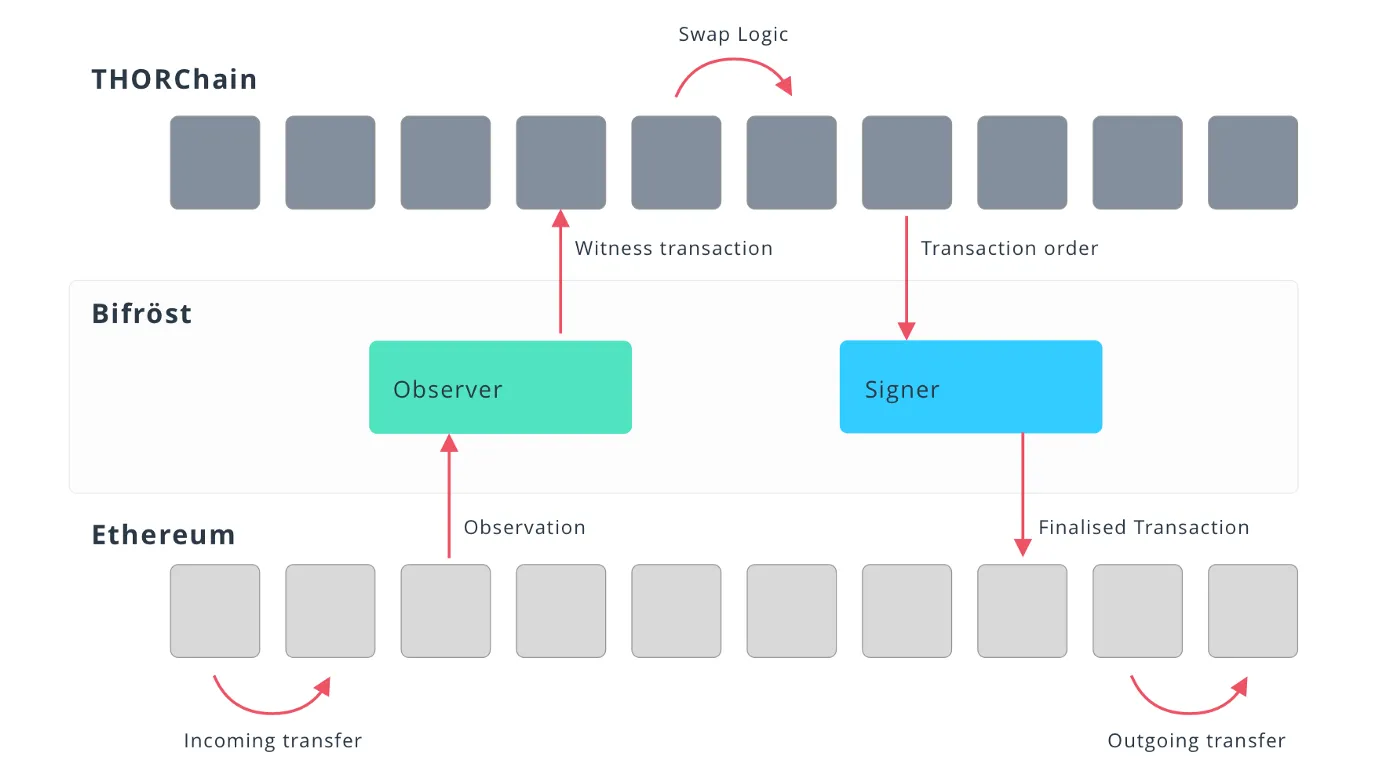
The DefiSpot DEX is a cross-chain DEX that uses the THORChain protocol. DefiSpot, a DEX interface, uses THORChain on the backend to provide a platform for adding and removing liquidity from cryptocurrencies. Users of DefiSpot completely own the liquidity and can access the site without having to go through the now-standard KYC feature that CEXs have.
Through THORChain’s permissionless feature, DefiSpot allows users to trade and regulate liquidity on custodial exchanges. However, DefiSpot goes above and above by providing a welcoming and easy interface via which users of all levels of experience may trade without feeling overwhelmed.
What problems does DefiSpot solve?
Before they may offer liquidity to the CEX market, crypto traders must first satisfy KYC. The money is transferred to the CEXs and is kept safe in their vaults. Before transferring assets, CEXs must obtain permission. THORChain addresses this by implementing a protocol that enables users to conduct permissionless transactions.
THORChain users can immediately swap assets across any blockchain through the cross-chain swap protocol. DefiSpot claims to have a one-of-a-kind design, despite the fact that there are multiple other solutions on the THORChain interoperability protocol.
Many traders dislike the design of DEX exchanges. Traditional DeFi designs, in contrast to their CeFi equivalents, are laid-back, boring, and uninspiring. Indeed, some consumers have expressed interest in DEXs but have been turned off by the interface, instead opting for CEXs.
On the surface, DefiSpot appears to be a regular CEX, complete with all functions; as a DeFi product designed to imitate a CeFi device, DefiSpot upturns the user experience to provide the optimum sensation when in use. Users familiar with CEX design will find a stunning CEX-themed DEX that allows them complete control over their assets at all times.
DefiSpot encapsulates the power of permissionless DeFi in a pleasant and eye-catching CEX design. DefiSpot proposes the XDEFI wallet, which may be the sole concession to CEXs.
DefiSpot is a resourceful ecology
The simple and easy-to-use design of DefiSpot may lead customers to believe that the DEX is nothing more than an asset exchange platform. However, it is much more than that. DefiSpot pushes DEXs beyond typical DeFi by providing consumers with new and intriguing capabilities.
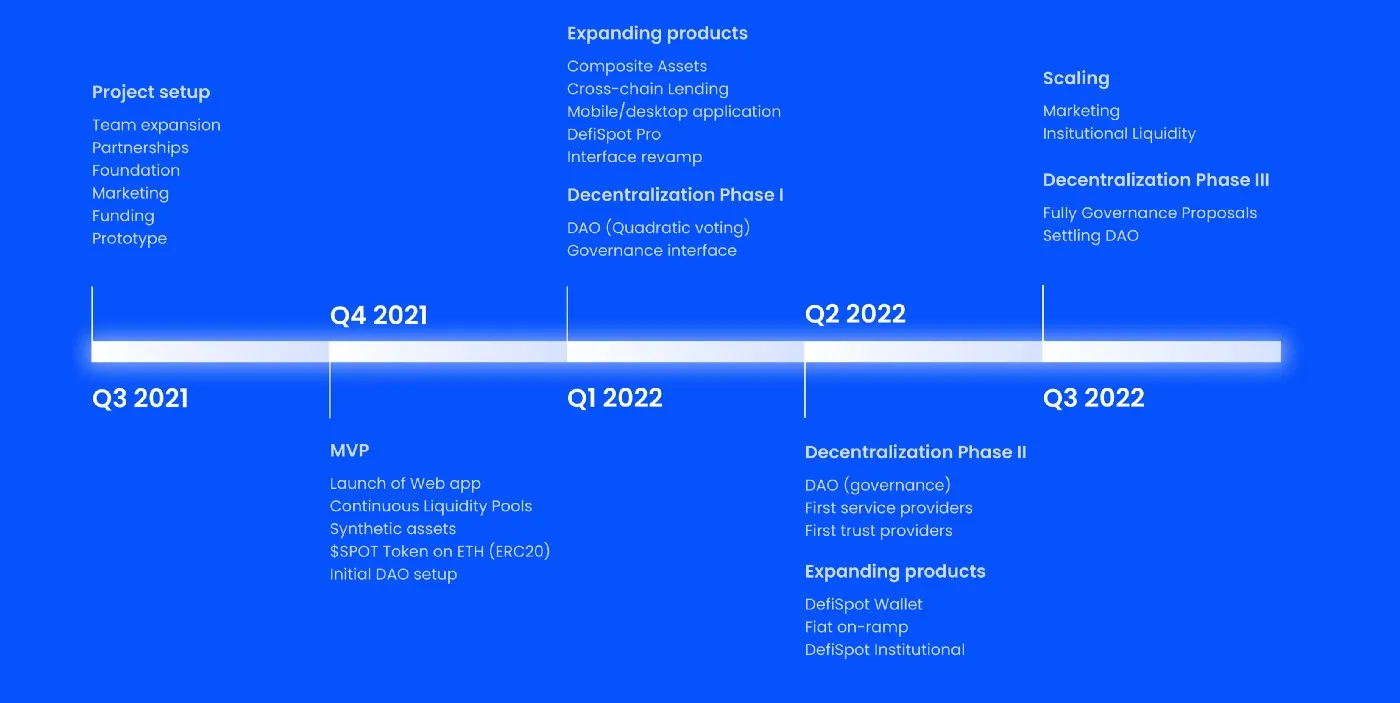
The DefiSpot team works hard to turn it into a complete ecosystem where traders can access any important tool they require. DefiSpot will eventually include a number of features, such as compound and synthetic digital assets, a DefiSpot native wallet, $SPOT (DefiSpot native currency), and DeFi cross-chain lending, among others. DefiSpot will be integrated into the THORChain ecosystem.
Security and private keys
Private key management and trust are crucial issues with DeFi and encryption in general. Due to the sensitivity of private keys (permanent loss of cash if keys are lost), traders have wished for a way to enter the market without having to worry about keeping their private keys safe at all times.
CEXs devised the concept of storing assets in private vaults and granting access via permissions, often passwords. But, in today’s world, that solution is quickly becoming obsolete. With protocols like THORChain lighting the way to a future of crypto transactions free of the constraints of CEXs, worldwide adoption may come sooner than expected.
In a tweet on December 4, the THORChain official Twitter handle discussed the dimension that DefiSpot brings to the THORChain protocol. Several Twitter users commented on the tweet and inquired about DefiSpot. One user inquired about a transaction export feature, which the original Tweeter confirmed. DefiSpot is the first DeFi solution to allow traders to export transactions to CSV or Excel files.
DefiSpot integrates the fundamental ideas of DeFi
Decentralization, functionality, and security are three of DeFi’s guiding principles. DeFi wants to provide actual financial autonomy to the globe, but it would fail if those principles were not followed. DefiSpot strives to build an ecosystem in which everyone may enjoy finance based on all three ideas.
DefiSpot is safe and secure due to the requirement to incorporate an external wallet. Users also have complete control over their funds, thanks to their private keys and noncustodial protocol. As a result, users are solely liable for their actions on DefiSpot and are not subject to the specific rules found in CEXs.
DefiSpot also has a working DEX where users can exchange assets between blockchains. Although cross-chain swapping is not difficult, the cost of swapping coins on some exchanges can make it impossible for traders to shift currencies. On DefiSpot, however, traders are rewarded by the cost of swapping coins. The benefits are given in the form of $SPOT, which users may exchange for other tokens or keep. Incentivizing its features is a strategy that will expand DefiSpot’s industry reach.
DefiSpot is turning into an ecosystem where traders can discover everything they need to trade digital assets as one of the first cross-chain DEXs with a CEX-themed design. CEXs’ impact may outweigh the impacts of other DEXs, such as Pancakeswap. The DefiSpot team is dedicated to expanding the ecosystem beyond a simple exchange.
DeFi in the Future
By breaching the boundaries of traditional banking, DeFi demonstrates the full power of decentralization. Global cryptocurrency acceptance is on the horizon. Although there is no set timeline, the rush to build blockchain-powered solutions will speed acceptance. DeFi must embrace new, innovative, and disruptive platforms to overcome present obstacles.
Thanks to ventures like DefiSpot, crypto traders may be migrating from CEXs by 2022.
BitDAO has launched EduDAO, a program that aims to educate some of the world’s finest students on DeFi and decentralized technologies.
EduDAO has collaborated with many student groups at eight of the world’s finest institutions, including Berkeley, Harvard, and MIT. BitDAO supported the initiative with a 33 million USD initial investment, of which 11 million USD will be awarded to student groups each year.
In exchange, the receivers will help create the BitDAO ecosystem by participating in the decentralized governance of the BitDAO treasury. Jon Allen, the founder of EduDAO and a founding member of Berkeley Blockchain, commented:
Tomorrow’s most promising products and designs are being devised at the university level right now; this partnership facilitates that growth at a scalable level by giving students and faculties access to sorely needed investment capital.
BitDAO is one of the largest Decentralized Autonomous Organizations, with the purpose of assisting decentralized economy architects. Its treasury displays 2.58 billion USD in token holdings, with the largest assets being ETH, FTT, and the DAO’s governance token, BIT.
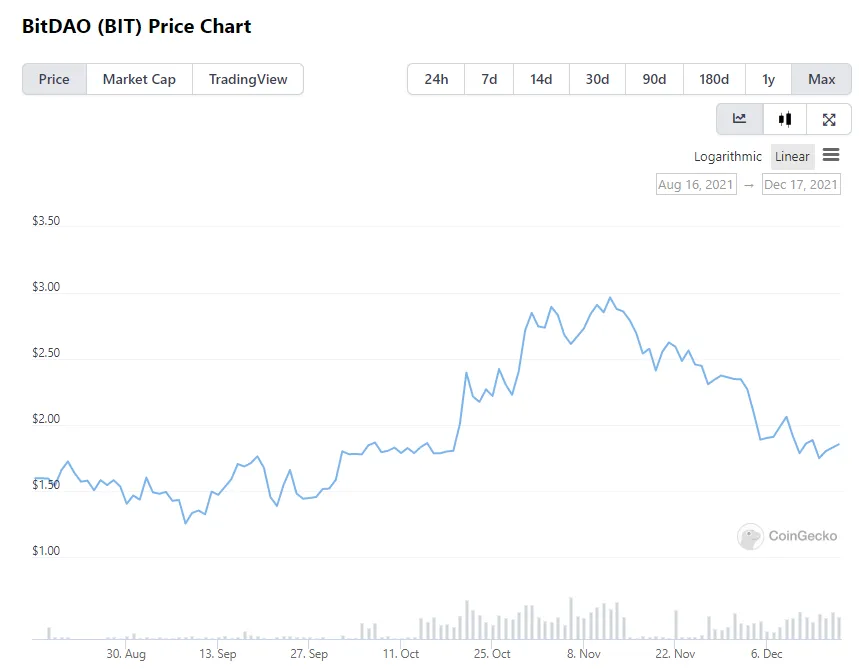
The BIT IDO on SushiSwap was a big success, raising over $250 million in just 50 minutes. Since its initial launch in August, the coin has gained power with a 15.6 percent price increase. BIT is now trading for 1.85 USD at the time of writing.
The internet has brought us a lot of inventions and commodities. No matter their location, virtually everyone has access to new services that make life easier. Instead of going to the supermarket, we just simply need to place an order online and have it delivered to us. We can skip the hassle of long lines and waiting times in cinemas by watching movies in the comfort of our own house. Even real money casino venues have changed their focus to the digital world, and safe sites for playing casino games online are a reality.
Nevertheless, we aren’t completely safe even when ensconced at home. Scammers and hackers are working non-stop to violate our cybersecurity and steal money and information, and spam messages are one of the most popular methods to swindle us out of our money. Today dear readers, let’s take a look at how these seemingly harmless texts are used to steal our winnings even before we bet.
Spamming – a Veiled Threat
We all think of spam as those obnoxious emails or text messages we get with fishy offers or stories of dead people that will come to haunt you if you don’t pass them along. There was even a big craze at the beginning of the century, with emails going around of satanic cults kidnapping and killing people.
Yet while this fake paranoia of danger has almost completely died off, there is another, darker threat hanging in the digital world. Spam has become the hidden agent in getting malware and fake, dangerous links as close to us as possible. With the continuous rise of online gambling in recent years, hackers and scammers have become bolder, and target vulnerable patrons with scam online casino bonuses, among many other things. Let’s take a look at some of the most common methods these criminals use.
Phishing – Scare To Scam
While the safety on online casino sites is quite high, the safety of our mail is sadly not so much. A method that has become quite common, particularly among people who use online transactions a lot i.e. online gamblers. Phishing employs one of our most primal emotions against us, fear. The phishing method consists of a hacker making themselves pass as a reputable institution with whom we are linked, be it a bank or our favorite online casino games venue, and sending an email.
This email contains a highly alarming message, requesting immediate action either to avoid a supposed danger or to claim a one-time limited offer. This particular action usually requires us to access a particular link in which we would then enter our sensitive information such as our credit card information.
Once we enter that information, we would be directed to a confirmation window which would state that we have successfully claimed our prize or verified our data with our bank, sadly at this point we have already lost. The link redirects to a website managed by the hacker, on which by inputting all of our information we are essentially gifting the hacker all the details.
Defensive Measures Against Phishing
Remember that no institution will ask for your information, be it a bank, online casino, or even delivery services. If you ever receive an email asking for your information on another website, immediately delete it and block the sender.
Malware Setting – the Silent Assassin
The other method which we will analyze on this opportunity is most likely the most dangerous one, as there are few means of detecting it until it’s too late. Malware involves again a spam mail, but on this mail, there is an attachment that, once opened, releases all kinds of viruses and tracking ware on our computers. You may think, “well, I can just simply not open the attached file and everything will be ok right?” sadly friends, the story goes a different way. The most dangerous aspect of these emails is that the malware may be hidden within the mail itself, not necessarily in an attachment, and just opening the email is more than enough to infect our systems.
Defensive Measures Against Malware
In this regard, the first step is to always verify the source account for any suspicious email you may receive before opening it. You may receive notifications from your bank and favorite casino from time to time, but these will always come from a certain source that is verifiable.
The Fight Continues
Many more methods are employed by hackers and scammers to steal our information. This list is just the beginning, a starting point for all of our readers to be ready and on the hunt for any suspicious activity on their systems. Stay safe, be vigilant, run an effective security app or ani-virus, and trust no mail that you don’t recognize the senders.
We live in a world full of digital products, but online apps are for sure some of the most targeted and popular products in this category. We can easily find apps for computers and mobiles for a million different purposes: certain apps help you make purchases (you can compare prices, items, and buy saving much time), while other apps give you precious hints on entertainment and sports events (you can get sports betting ideas and place better bets online).
Commercial apps appear to be especially popular in North America and India among millions of daily users. But when it comes to sports betting apps, market experts reveal that these apps are widely popular across the world, with a peak of users in the Middle East region. Sports analyst Samir Ismail of Casinoelarab.com listed the most recommended sports betting apps of 2022 for Arab users in the MENA region. That should help Arabic bettors pick their best app to place sports bets online safely and smoothly.
Consider that average mobile users spend about four hours a day using apps. But a question may arise: are commercial and entertainment/sports apps the only types of available apps? Of course, not at all! There are still many different categories of apps, including education apps for college students, traveling apps, dating apps, and money-making apps which we are going to review here.
Top Apps For Online Money-Makers in 2022
Does the idea of making money online appeal to you, doesn’t it? If you want to explore the several opportunities to start making money online through the internet, all you need is a list of the best money-making apps of 2022.
Swagbucks
Swagbucks works as a cash-back and rewards app. You earn Sb points when you shop, take polls, watch videos, play games, or others through the platform. You can redeem your SB points as gift cards or cash back to your PayPal account. Keep in mind that each task comes with a specific point counting; also, you must reach the minimum balance required by the payout method you choose if you want to redeem your money.
Rakuten
The best feature of Rakuten is that it rewards the shoppers with 40% cashback when they buy from the most popular sellers, retailers, or food delivery services. Also, Rakuten allows you to earn cash back on travel options. Once you create your account, select a deal in the app, and pay for it through the platform. If you want to earn cashback in-store, you can link a credit/debit card to your Rakuten account. You can choose your payment option between PayPal and check.
Ibotta
You can make cashback by purchasing in-store and online items at 1,500+ brands and retail chains. Ibotta was born for groceries, but it boomed out rapidly by including more categories like clothing, pet supplies, household, and more. The range of available offers is extensive: it encompasses automatic offers on certain products. You can earn money in a few different ways, as well. Ibotta accepts PayPal, gift cards, and bank account for all payments. Although Ibotta sends you cash back quickly, the making money process is a bit slow. Also, you must have min. $20 in cash back to redeem your money, while the pending period on online purchases can vary after the retailer.
Fiverr
If you’d like to become a freelancer, Fiverr is an excellent starting point. The Fiverr platform is a freelancing marketplace with job offers in about 200 categories. All you have to do to get started is to create your profile as a seller adding your work experiences. Then, post your offer with your pricing and a brief service description. All interested clients will click through your posting and place their work orders. Fiverr allows you to earn money after you complete the assigned job. Also, the platform system gives all sellers a level based on their performance. The quicker you move up, the more money you’ll earn. For the payments, you can use PayPal or the platform’s prepaid card, Fiverr Revenue Card. Depending on which method you choose, the platform system may charge you a withdrawal fee.
OfferUp
For those who are skilled handcrafters or have a ton of unused items at home, OfferUp may seriously help make money. It’s a marketplace that allows you to sell your items. Create your account, take a shot of the item you want to sell, and create your post by adding a title, a description of your item, and a price. Potential buyers will see your post and, if interested in it, they will contact you through OfferUp. Finally, ship the item or arrange to meet the buyer in person if possible. OfferUp accepts cash and deposit to debit cards and bank accounts.
Upwork
Upwork is one of the world’s most popular money-making apps. It connects freelancers and companies of all sizes in many categories (writing, translation, web analysis, webmaster, video making). As a freelancer, you must create your profile with information about your education and job experience. Then, browse the platform to find job offers that match your skills and, when you find one, apply for it. The client will select the candidates and send you an invitation for an online interview, or they may assign you the job straight away. You can choose between hourly paid job offers and per-project paid job offers. If freelancers are looking to try voice acting, Voices is a voice-over talent marketplace that connects voice-over talent with companies looking to hire.
Poshmark
Is your wardrobe full of clothes that you don’t put on anymore? Poshmark helps you get rid of unused clothing by making money. Sign up and create your profile, snap a picture of your item, create a description with a price, and wait for buyers. Poshmark comes with an extra tool, the Posh Parties, for online shopping events focused on specific brands or item categories. Join Posh Parties to boost your sales opportunities. Finally, ship your item to the buyer’s address or meet them in person.
Consider that the world of online apps is an ever-evolving field, which means that you should stay tuned to find out the latest app additions that help you make money faster and easier.
Ubisoft plans to use “dynamic NFTs” in its games, beginning with Tom Clancy’s Ghost Recon Breakpoint.
Ubisoft Quartz, an NFT platform, was released earlier this month. The games publisher has now joined with the cross-chain cloud storage service aleph.im to further its development.
According to a Medium post on the Aleph.im blog, Ubisoft plans to incorporate dynamic NFTs. The article is vague about what “dynamic” means, but it appears that this would allow some attributes to be added to NFTs based on their previous owners’ in-game histories.
The growth of Aleph.im’s technology has revolutionized the game by allowing the creation of Dynamic NFTs with metadata that evolves as they pass from player to player. Players will be able to see information on who players previously possessed the things they have retrieved, including player names and achievements, thanks to Aleph.im’s technology.
The gaming community harshly panned Ubisoft’s foray with NFTs. According to reports, their YouTube introduction video earned many dislikes.
Previously, YouTube eliminated the ability to view Dislikes, said to be a move especially to protect advertisers, although certain Chrome extensions may still access them. Ubisoft appears to have removed the introduction video since then, however, reuploads are still online.
Like many other AAA game publishers, Ubisoft is frequently chastised for its flagrant usage of in-game microtransactions. Many in the gaming world believe Digits, as Ubisoft refers to their dynamic NFTs, is just another revenue grab.
Digits will first appear in Tom Clancy’s Ghost Recon Breakpoint, an upcoming game. According to Ubisoft, they will have simply decorative impacts and will not change gameplay.
Dogecoin, one of the most well-known names in the crypto sector, has achieved significant progress with the creation of the first-ever NFT on the blockchain. The project has recently progressed with new use cases to talk of, and a developer has now added NFT minting capabilities to that list. From a ‘joke’ endeavor to a serious player in the space is a big step.
After sharing a screenshot of the transaction on Monday, a developer known on Twitter as Inevitable360 became the first individual to mint an NFT on the Dogecoin network. Inevitable360 made a big impression with this tweet after demonstrating that it is feasible to mint NFTs on a blockchain that is not a smart contracts platform.
The transaction only cost 0.1 Doge to complete, a pittance when compared to the cost of minting NFTs on other blockchains. The developer went on to say that they were waiting for Dogecoin Core devs to certify that what they had provided worked.
The ability to mint NFTs on a blockchain like the Dogecoin blockchain would undoubtedly change the game because it will be substantially cheaper to deal in Doge. Furthermore, Dogecoin’s millions of supporters will have new use cases to work with beyond holding their Doge and conducting transactions with it. The digital asset has almost completely shed its reputation as a prank, and this increased functionality could be the final step in that process.
When it comes to functionality, Dogecoin is on its way to becoming a key player in the space. Tesla is the latest company to accept Doge payments after CEO Elon Musk’s recent announcement that the vehicle manufacturer would begin taking the digital currency for items.
Musk, also known as the Dogefather, has been an outspoken promoter of Dogecoin. After tweeting about it in early 2021, the CEO caused the token’s price to spike many times. This time was no exception, as the Tesla news propelled the price of Dogecoin up by nearly 30% after the tweet went live.
Tesla will make some merch buyable with Doge & see how it goes
Tesla consumers would be able to use Dogecoin to purchase items such as miniature Tesla vehicles and T-shirts. This has been a long time coming since the CEO initially publicly proposed the notion of accepting Doge payments in May. Although the focus was on accepting Doge for its electric vehicles, paying for stuff with the meme coin is a start, given Musk’s tweet implied the automaker was conducting a test run with its merchandise.
Data reveal that Bitcoin has outperformed expectations as an inflation hedge, despite the fact that the US inflation rate has risen to 6.8 percent per year.
Despite recent concerns, data show that Bitcoin continues to outperform expectations as an inflation hedge.
According to the most recent weekly report from Arcane Research, BTC has raised its holders’ purchasing power by 520 percent since the beginning of 2020, indicating that the cryptocurrency may have outperformed expectations as an inflation hedge.
The US Bureau of Labor Statistics just issued the November CPI numbers, which show that US inflation has surged to a 6.8 percent annualized rate.
If you’re not sure what the Consumer Price Index (CPI) is, here’s an explanation from the Bureau of Labor Statistics:
The Consumer Price Index (CPI) is a measure of the average change over time in the prices paid by urban consumers for a market basket of consumer goods and services.
The Consumer Price Index (CPI) measures the average change in prices paid by urban consumers for a market basket of consumer goods and services over time.
Because Bitcoin’s price hasn’t risen since the higher-than-expected CPI percentage was announced, some have argued that the coin isn’t an inflation hedge.
However, Arcane Research points out that it is a lagging index because CPI reflects inflation that has already occurred. As a result, if BTC is truly an inflation hedge, the inflation should have already been factored into its price by now.
By The Numbers: An Update On MicroStrategy’s Bitcoin Buying Spree
Now, here’s a chart that compares BTC’s performance to that of various inflation hedges since January 2020:
Due to all of the stimulus checks and supply chain concerns, the time since the beginning of 2020 has been one of significant inflation. As shown in the graph above, BTC returned 520 percent during this time period, well-outperforming gold’s return of 8% and the 500’s gain of 33%.
According to the paper, BTC’s exceptional growth in such a short period can only suggest that the cryptocurrency is a terrific inflation hedge.
Bitcoin Price
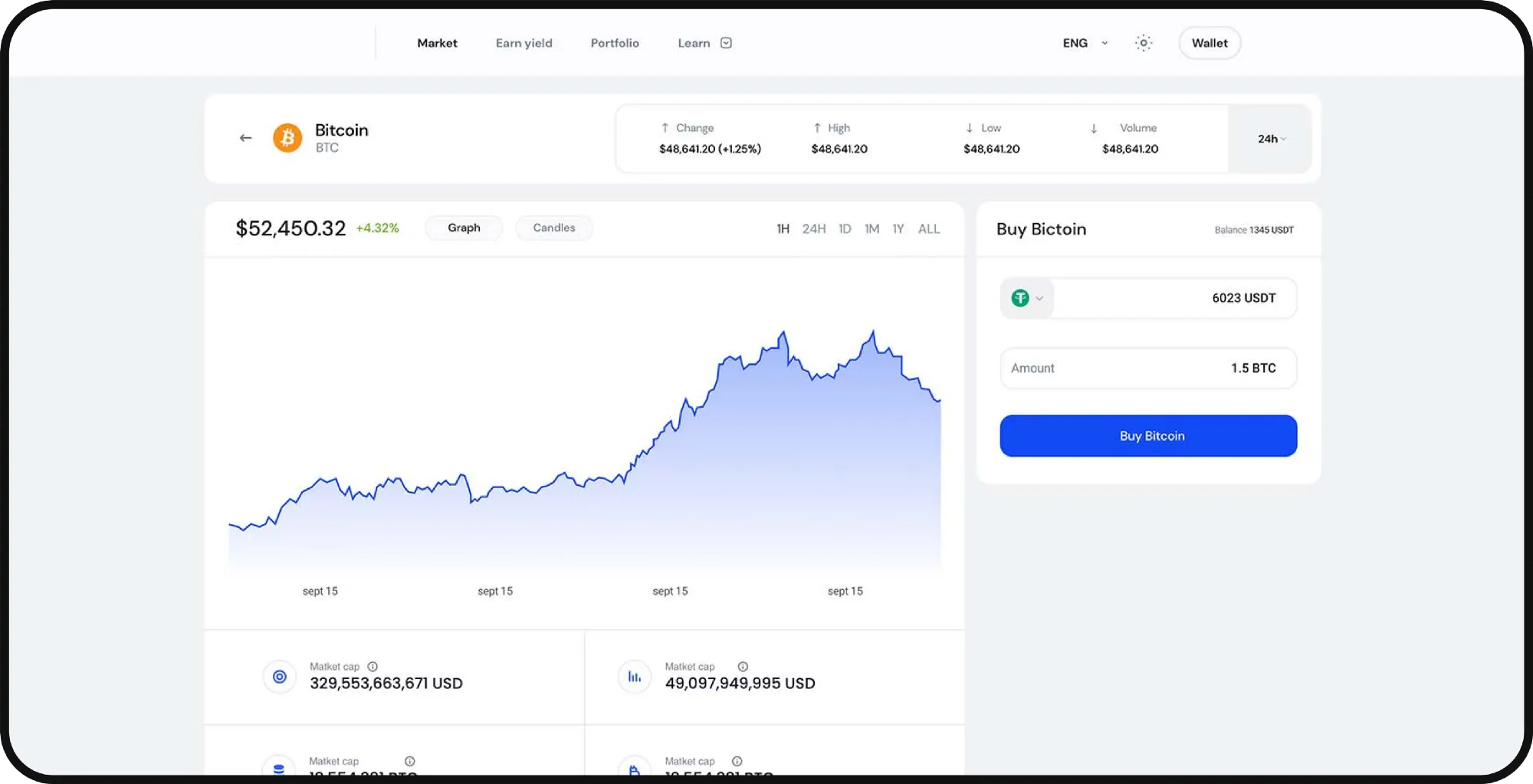
Bitcoin’s price is currently hovering around $49k, down 1% in the last seven days. The cryptocurrency has lost 21% of its value in the last thirty days.
The chart below depicts the price trend of BTC over the previous five days.
Bitcoin has generally gone sideways since the meltdown, with little signs of rebound so far. At the moment, it’s unknown when the coin’s price will break free from this rangebound environment or which direction it will break out in.
Ether Capital, a publicly-traded business based in Canada, has committed $50 million, or 10,240 ETH, on the Ethereum Proof-of-Stake network, Beacon Chain. According to their official Twitter handle, the corporation highlighted its participation on Eth 2.0 as “the only public firm in the world” with “such a relevant balance.”
Ether Capital likened Beacon Chain staking and its deposit contract to crypto mining, except it was more energy efficient. The company argues that this method is 99 percent more energy-efficient and safe than existing approaches and more profitable to token holders.
In a press release, Brian Mosoff, Ether Capital’s CEO, stated that staking has long been a part of the company’s plan. In that regard, they will continue to invest the majority of their roughly 43,512 ETH in the Beacon Chain to assist Ethereum in its transition to PoS. Mosoff made the following statement:
Prior to the merger of Ethereum’s current mainnet into Ethereum’s Beacon Chain (the “Merge”), Ether Capital intends to stake at least 30,000 Ether of its current 43,512 Ether balance. The Merge is currently expected to occur mid-year in 2022.
According to the statement, the company staked their ETH utilizing a multi-signature custody mechanism, and they partnered with Figment to run their validator. This company was founded in 2018 with the goal of assisting the Web 3 ecosystem.
Mosoff went on to say that Ether Capital may become a torchbearer for Ethereum and an infrastructure that they believe could be “one of the most inventive” movements in history.
Furthermore, Ethereum has been identified as one of the most essential assets for the coming decades by the CEO of Ether Capital. Especially given the high demand for yield-generating assets.
Ethereum, with its ecosystem in decentralized finance (DeFi), NFTs, Metaverse, GamiFi, SocialFi, and other applications and use cases, might potentially underpin Web 3.0, the most important network for the future of the internet. As a result, it has the potential to create a lot of money.
After the implementation of EIP-1559, the transition to a PoS consensus mechanism will transform ETH into a productive and deflationary asset. The merger will be a watershed moment for the network and the company as a “net accumulator of Ether.” Mossof elaborated in this regard:
Staking radically alters the game by allowing Ether Capital to operate and participate in blockchain infrastructure, allowing Ether, previously a passive asset, to be converted into revenue-generating or productive assets through staking. We anticipate that Ether staking will provide the Company with a potentially significant source of revenue.
As of press time, Ethereum (ETH) was trading at $4,046 with an 8.3 percent gain in the previous 24 hours.
Ethereum (ETH) trades $4,046 with an 8.3% profit in the past 24 hours as press time.
Non-fungible tokens (NFT) are the newest Internet craze. The evolution of digital art has become the most popular topic in recent years. Investors and cryptocurrency users desire to own and speculate on one-of-a-kind digital artworks.
This time, we’ll examine the NFT project management tokens you should pay particular attention to.
Bunny NFT
NFT Bunny is the first NFT Social Platform that allows content creators to control the visibility of their work. Artists can host a private vernissage of their NFTs collections. NFT Bunny allows you can buy and sell NFT using Ethereum, Polygon, and BSC.
NFT Bunny enables users to construct NFTs, cooperate with like-minded others, and participate in special online events. NFT Bunny facilitates access to the NFT world.
It should be noted that artists can sell their work either publicly or privately. Artists receive 96 percent of the amount, with a fee of 4 percent. Each time their NFTs are traded on the site, the creators receive a royalty fee.
BUN
The NFT Bunny Cryptocurrency, abbreviated BUN, is established on the Ethereum network. If you keep BUN tokens, you will receive the following benefits:
In BUN, you will be able to receive donations and support from your followers without incurring any expenses. This strategy encourages both artists and platform users.
It’s also quite convenient since all of the services available on the NFT Bunny platform may be purchased using the BUN token.
You will also be able to obtain a loan using your NFT as collateral or the BUN token, and you will have access to preferential and exclusive terms.
Use the BUN token to purchase and sell NFT on the platform’s large-scale market.
Every user can construct their original and stunning NFT in a few seconds, thanks to the BUN token.
BUN token holders will be the driving force behind the platform’s progress. They will be able to select the finest ideas for incorporation into the website.
Token holders also gain access to a liquidity pool, which allows them to receive additional bonuses and great presents, as well as low fees and access to special services.
Token Exchange
It is worth noting that the Flash Round was held on December 5, and it only took 3 hours to sell all of the coins at a reasonable price. There was a limited quantity of tokens offered with investor discounts.
Furthermore, the 24th Seed Round on December 6 was a resounding success, as was the first round of the private sale, which ended on Sunday, December 12.
The second private sale is still going on and will end on December 17. It will provide participants with a 64 percent discount. Benefits include a 10% discount on all platform services and a 1.1x multiplier on all staking payouts as a Silver Bunny NFT.
The final private sale will take place from December 17 to 22 and offer a 52 percent discount on token purchases. Benefits include a 5% discount on all platform services and a 1.1x multiplier on all staking rewards as a Bronze Bunny NFT.
To participate in the sale, fill out the form and wait for an email from the team to formalize the offer. Find out everything you need to know about NFT Bunny.
The general public will purchase this token immediately after the pre-sale closes.
OpenSea
Today, OpenSea is one of the largest and most popular NFT marketplaces. The site offers a diverse range of NFTs, ranging from modern artists’ paintings to game cards. It can also hold auctions and is completely connected to the cryptocurrency infrastructure. This website also has a large gallery of digital art.
On OpenSea, artists must pay a commission. The fee size is determined by a variety of circumstances and may occasionally exceed the cost of the generated work of art.
Rarible
It is a Russian-based platform that has garnered worldwide traction. Artists can develop and sell their artwork on the platform using a native RARI token. Another significant distinction is the possibility for creators to get compensated if their artworks are resold. It currently has one of the greatest trade volumes among the NFT marketplaces.
The platform allows you to sign up for free. You must pay an Ethereum network fee of $ 30-100 for each artwork.
RARI
RARI is a Rarible native token. These tokens can be earned by performing various acts on the platform, such as purchasing and selling works of art or collectibles.
Holders of the RARI token have the ability to vote on Rarible system changes and choose which content is available on the platform.
SuperRare
The SuperRare platform is a digital art gallery on the internet. Each work is a crypto-collectible digital item that can be owned and exchanged in the cryptocurrency market. Artists create a customized certificate to prove their authorship.
The SuperRare platform is still in its early phases, and not all of its features have been implemented. It has, however, just raised $9 million from investors for future development and rebranding. Although posting your art is free, SuperRare takes 15% of the transaction on the first sale. The site also charges a 3% commission on each sale of NFT.
RARE
To scale and capitalize on the actual power of web3, SuperRare is embarking on a path of gradual decentralization, intending to eventually hand over ownership and management of the network to the community.
SuperRare Labs intends to reward active network participants with rewards as the network grows. RARE will handle fees, the entire ecology, and grants on behalf of the community.